- Engineered to Protect. Built to Perform. Bottled for Power.
Need help? Call us: +91 99719 97247 or jaibharatplasticindustries@gmail.com

Engine Oil Bottle: Complete Guide to Lubricant Oil Packaging (Sizes, Material & Manufacturing)
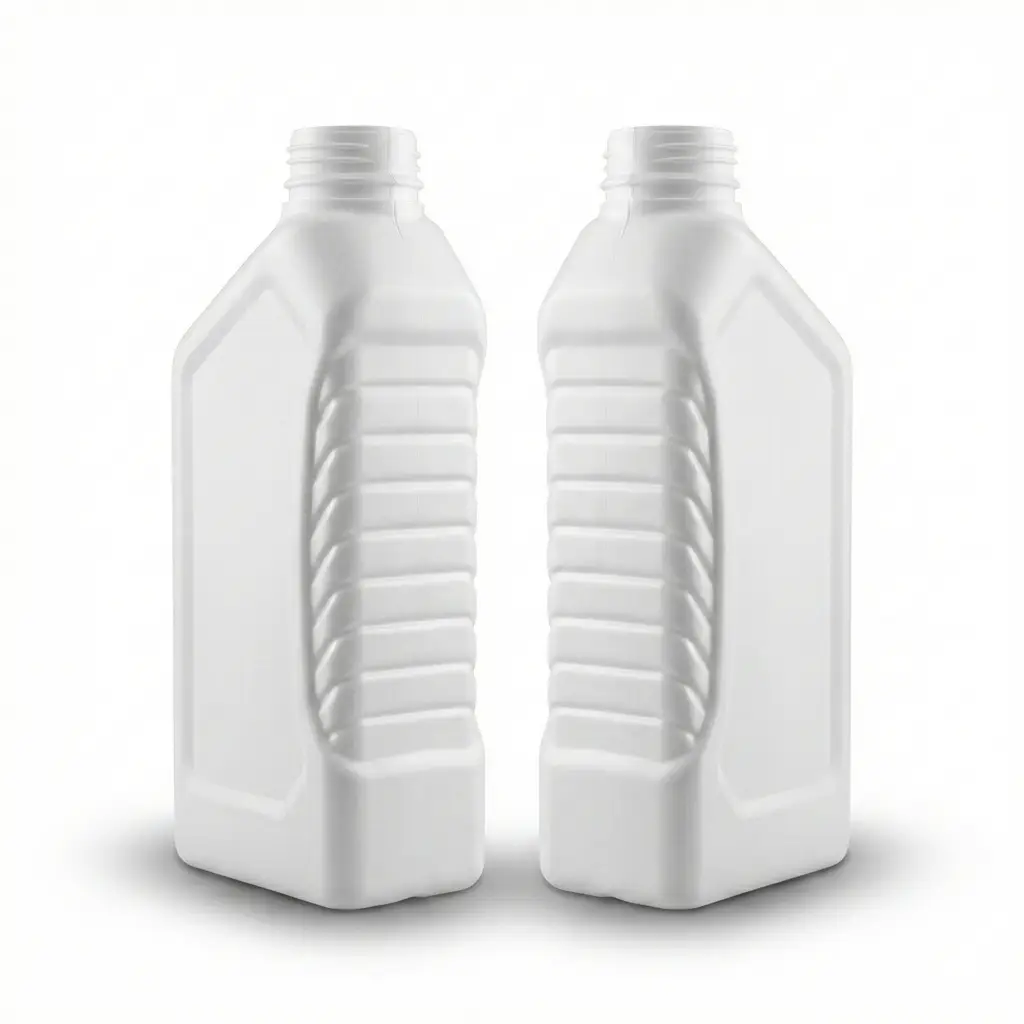
Engine Oil Bottle: Complete Guide to Lubricant Oil Packaging (Sizes, Material & Manufacturing)
In the lubricant industry, the quality of oil is important — but the first thing a customer notices is the engine oil bottle.
Whether it is a bike oil, car oil, gear oil, hydraulic oil or coolant, the packaging container plays a major role in product safety, branding and customer trust. A leaking or low-quality bottle can damage the brand image instantly, even if the lubricant inside is excellent.
That is why lubricant companies carefully choose HDPE oil bottles specially designed for automotive applications.
This guide explains everything about engine oil bottles — materials, sizes, manufacturing process and how to choose the right supplier.
What is an Engine Oil Bottle?
An engine oil bottle is a specially designed plastic container used for storing and transporting automotive lubricants such as:
Motorcycle engine oil
Car engine oil
Gear oil
Transmission oil
Brake fluid
Coolant
These bottles are usually made from high-density polyethylene (HDPE) plastic because it is strong, chemical resistant and leakproof.
Unlike normal plastic containers, lubricant bottles must handle heat, pressure changes during transport and long storage periods without deforming.
Why HDPE is Used for Engine Oil Bottles
HDPE is the most preferred material for lubricant packaging worldwide.
Here’s why:
1. Chemical Resistance
Engine oil contains additives and chemicals. HDPE does not react with these additives, so oil quality remains safe.
2. Leakproof Strength
HDPE has high impact strength. Bottles can survive transportation, stacking and handling in warehouses.
3. Heat Resistance
Oil bottles are often stored in hot environments such as garages and trucks. HDPE does not easily warp.
4. Lightweight
Compared to metal containers, HDPE bottles are lighter and reduce transportation cost.
5. Recyclable
HDPE is recyclable and environmentally safer than many plastics.
Standard Engine Oil Bottle Sizes
Lubricant companies usually choose packaging based on vehicle type and distributor demand.
Bottle Size Common Usage
250 ml 2-wheeler top-up oil
500 ml Bike engine oil
900 ml / 1 Litre Motorcycle & car engine oil
3 Litre Passenger car oil
5 Litre SUV & diesel car oil
7.5 Litre / 10 Litre Commercial vehicle oil
20 Litre Workshop & garage use
The 1 litre engine oil bottle is the most popular packaging size in India.
Types of Engine Oil Bottle Caps
The cap is as important as the bottle. Poor cap quality is the main reason for leakage complaints.
Common cap types:
1. CRC Cap (Child Resistant Cap)
Prevents accidental opening, used in premium oils.
2. ROPP Cap
Aluminium sealed cap used in some lubricants.
3. Pull Ring / Tamper Evident Cap
Most common type. The ring breaks when opened, proving the product is genuine.
4. Measuring Cap
Used in 2-stroke oil bottles.
How Engine Oil Bottles Are Manufactured
Engine oil containers are made using a process called blow moulding.
Step-by-step process:
HDPE plastic granules are heated
Molten plastic tube (parison) is formed
Air pressure blows plastic into mould shape
Bottle cools and solidifies
Excess plastic is trimmed
Leak test and drop test are performed
This process creates a seamless, strong and uniform container ideal for lubricant packaging.
Quality Tests for Lubricant Bottles
A professional manufacturer performs:
Leakage testing
Drop testing
Cap torque testing
Wall thickness checking
Stack load testing
These tests ensure the bottle survives transportation and storage.
Customization Options for Lubricant Brands
Most lubricant companies prefer custom bottle designs to build brand identity.
Common customization options:
Logo embossing on bottle
Custom colours
Unique handle shape
Label panel area
Own mould development
Owning a custom mould prevents competitors from copying packaging.
How to Choose the Right Engine Oil Bottle Manufacturer
Before selecting a supplier, check:
Virgin HDPE material usage
Leakproof cap quality
Consistent supply capacity
Mould development support
Experience in automotive packaging
A reliable packaging partner ensures uninterrupted lubricant production.
Why Packaging Matters More Than You Think
Customers cannot test oil quality before buying.
They judge by:
Bottle design
Cap seal
Label finish
Weight and strength
A premium bottle automatically increases trust and shelf sales.
Many successful lubricant brands grew faster because of professional packaging presentation.
Conclusion
An engine oil bottle is not just a container — it is a protection system and marketing tool for the lubricant brand. High-quality HDPE packaging keeps oil safe, prevents leakage and improves product perception in the market.
If you are planning to launch a lubricant brand, invest in durable, leakproof and well-designed packaging from an experienced manufacturer. Proper packaging helps build trust with distributors, mechanics and end customers.
Recent Comments

Established in the year of 2019, We “Jai Bharat Plastic Industries” are a Manufacturer and Wholesaler Of Lubricant Oil Bottle Plastic Bottle, Pesticide Bottle, Chemical Bottle, etc. We direct all our activities to cater the expectations of customers by providing them with excellent quality products as per their gratification.
Contact info
Jaibharatplasticindustries@gmail.com
A-57 , NARESH PARK , NANGLOI , NAJAFGARH ROAD, NEAR PANI KI TANKI , DELHI 110041
Copyright 2025. All Right Reserved Developed by Media Bird Agency